Cape of Rodon Travel Guide 2026: Albania’s Hidden Adriatic Escape
Discover Cape of Rodon in Albania with this complete 2026 travel guide. Explore Rodoni Castle, St. Anthony Church, wild beaches, coastal views and private day trip ideas with Kalemi DMC.
The Complete Travel Guide to Cape of Rodon in 2026
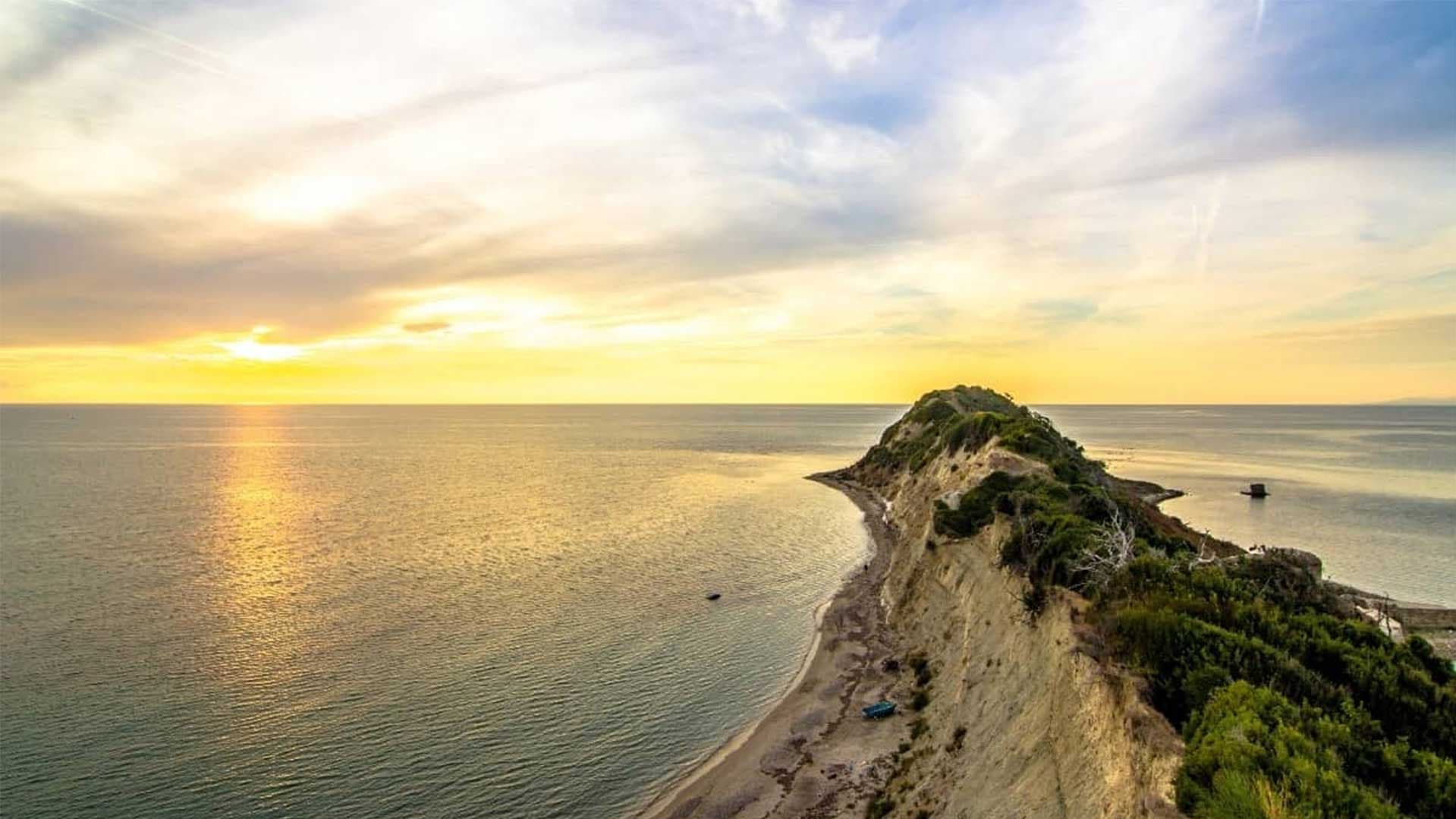
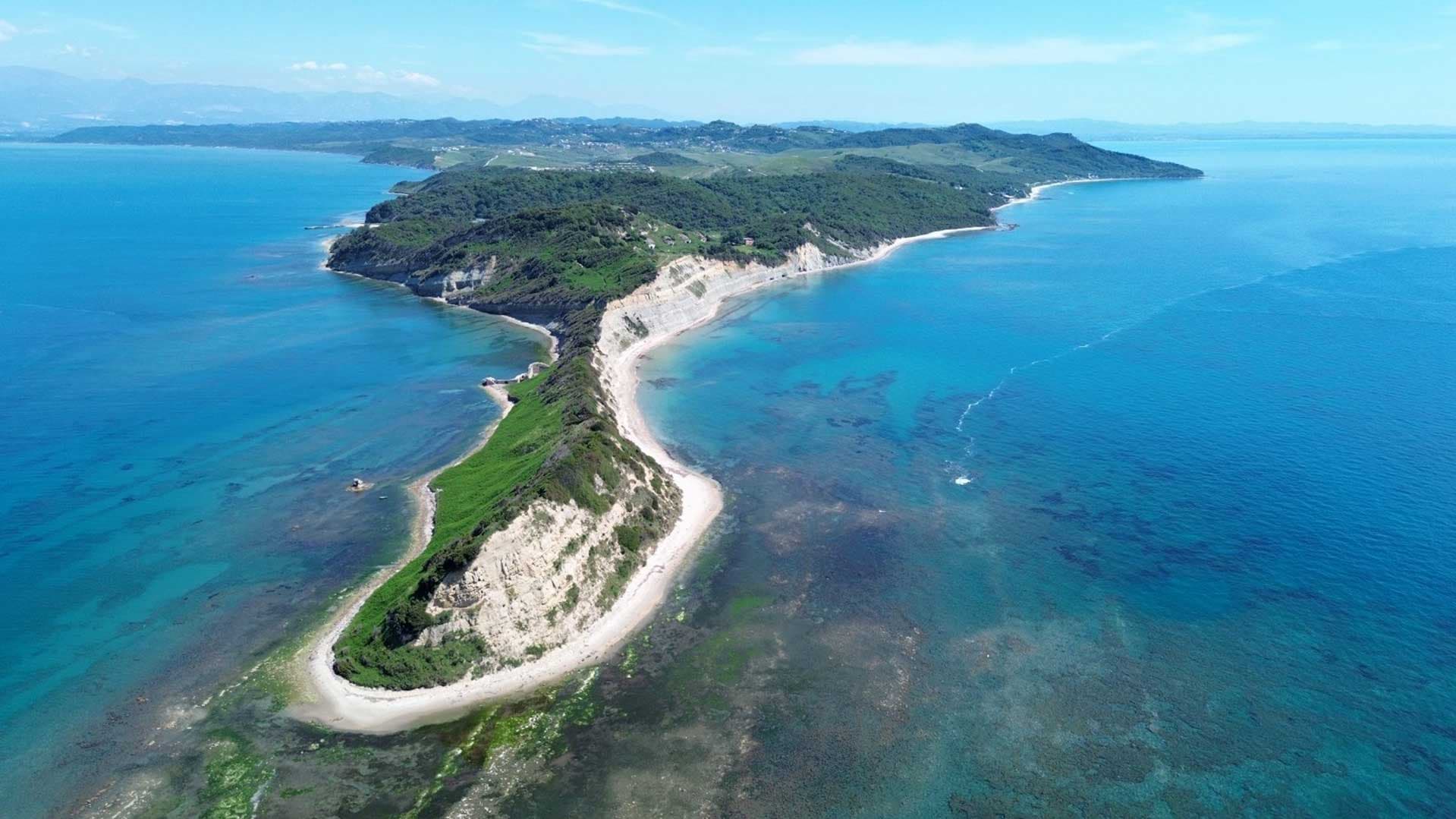
Cape of Rodon is one of those places in Albania that feels surprisingly close to the capital, yet completely removed from the noise of the city. Located on the Adriatic coast, north of Durres and within easy reach of Tirana, this narrow rocky cape combines sea views, medieval ruins, religious heritage, quiet beaches and a sense of raw coastal beauty that is becoming harder to find in the Mediterranean.
For travelers visiting Albania in 2026, Cape of Rodon is a destination worth adding to the itinerary, especially for those who want something more authentic than a classic beach day. It is not a polished resort area, and that is exactly what makes it special. The experience here is simple: a scenic road, green hills, the Adriatic Sea, the ruins of Rodoni Castle, the peaceful St. Anthony Church and the feeling of discovering a corner of Albania that still feels local.
For Kalemi DMC, Cape of Rodon works beautifully as a private day trip from Tirana or Durres, a cultural coastal stop, a soft adventure experience, or part of a tailor-made itinerary focused on hidden Albania.
Where Is Cape of Rodon?
Cape of Rodon, also known locally as Kepi i Rodonit, is a rocky peninsula on Albania’s Adriatic coast. It is located north of Durres and northwest of Tirana, making it one of the most accessible coastal escapes for travelers staying in the capital.
The cape stretches into the Adriatic Sea and is surrounded by a landscape of hills, fields, small villages and quiet beaches. Unlike the Albanian Riviera in the south, which is known for dramatic cliffs and turquoise Ionian water, Cape of Rodon has a softer Adriatic character. The coastline feels more rural, more open and less developed.
This makes the destination especially appealing for travelers who enjoy nature, photography, history and places that still feel a little undiscovered.
Why Visit Cape of Rodon in 2026?
Cape of Rodon is not the kind of destination you visit for luxury beach clubs or crowded promenades. You visit it for atmosphere. It is a place where history and nature meet in a very Albanian way, with medieval ruins near the water, a small church surrounded by greenery, bunkers from the communist period and quiet coastal views that feel cinematic without trying too hard.
In 2026, Albania continues to attract more international attention, but many visitors still concentrate on Tirana, Berat, Gjirokaster, Durres, Ksamil and the Riviera. Cape of Rodon gives travelers a different perspective. It shows the quieter side of the Albanian coast, where the experience is less about nightlife and more about landscape, heritage and slow discovery.
It is also a very practical destination. For groups, couples, photographers, incentive travelers and culture-focused guests, Cape of Rodon can be included without requiring a long multi-day journey. This makes it a strong option for private tours and tailor-made programs.
What to See at Cape of Rodon
Rodoni Castle
The most famous landmark at Cape of Rodon is Rodoni Castle, often associated with Albania’s national hero, Gjergj Kastrioti Skanderbeg. The castle was built as a strategic coastal fortress and today its ruins stand close to the sea, creating one of the most atmospheric historical sites on Albania’s Adriatic coast.
The castle is not fully preserved, but that is part of its character. Visitors can see sections of the old stone walls and towers, some of them dramatically positioned near the water. The sea, wind and time have shaped the site, giving it a rugged beauty that feels very different from restored castles in city centers.
Rodoni Castle is especially interesting because it connects several layers of Albanian identity: medieval resistance, coastal defense, Skanderbeg’s legacy and the long relationship between Albania and the Adriatic Sea. For a visitor who wants to understand the country beyond postcard beaches, this is an important stop.
St. Anthony Church
A short distance from the castle, St. Anthony Church is another essential part of the Cape of Rodon experience. The church is set in a peaceful green landscape, close to the sea, and is one of the most photogenic religious sites in this part of Albania.
The church is linked with the medieval history of the region and has been recognized as a cultural monument. Its architecture, stone walls and quiet surroundings make it a meaningful stop, even for travelers who are not especially religious. Inside and around the church, visitors can feel the continuity of Albanian history, from medieval faith to local memory and cultural preservation.
For private tours, St. Anthony Church adds a softer, more reflective moment to the itinerary. After the dramatic ruins of Rodoni Castle, the church gives the visit a sense of balance.
The Beaches Around Cape of Rodon
Cape of Rodon is not a classic resort beach destination, but it does have beaches and coastal spots where visitors can enjoy the sea. The beaches here tend to be quieter and more natural than the busy summer beaches near large tourist zones.
The coastline can vary depending on the season, weather and sea conditions. Some areas are better for walking, photography and relaxing, while others may be suitable for swimming during warmer months. Travelers should expect a more rustic beach experience, not a fully serviced beach club setup.
This is important to explain clearly to clients. Cape of Rodon is perfect for travelers who appreciate natural beauty, but it may not be ideal for those expecting luxury sunbeds, loud beach bars and full resort infrastructure.
The Coastal Landscape
One of the best reasons to visit Cape of Rodon is the landscape itself. The road toward the cape passes through rural scenery, hills and small settlements before reaching the coast. Once there, the views open toward the Adriatic, with the cape stretching into the sea and the coastline unfolding in different directions.
The scenery changes beautifully throughout the day. Morning light gives the area a calm and fresh feeling, while late afternoon can be ideal for photography. On clear days, the sea views are especially memorable.
For photographers, content creators and travelers who love quiet landscapes, Cape of Rodon has strong visual appeal. It is not over-staged, which makes the photos feel natural and authentic.
Bunkers and Layers of Albanian History
Like many places in Albania, Cape of Rodon also carries traces of the communist period. The presence of bunkers near the landscape is a reminder of Albania’s more recent history and adds another layer to the visit.
For international travelers, this contrast is often fascinating. In one area, they can see medieval ruins, a religious monument, wild coastal scenery and communist-era structures. Few destinations can tell so many different stories in such a compact space.
This is one of the reasons Cape of Rodon works well with a knowledgeable local guide. Without context, visitors may simply see ruins and bunkers. With the right storytelling, the site becomes much more meaningful.
How to Get to Cape of Rodon
Cape of Rodon is usually visited by car or private transfer. Public transport options are limited and not ideal for travelers who want a smooth experience, especially if they are visiting for the first time.
From Tirana, the journey usually takes around 1.5 to 2 hours depending on traffic, route and road conditions. From Durres, it is generally shorter, often around 1 to 1.5 hours. Travel times can vary during summer weekends, when coastal roads and popular areas may be busier.
For DMC programs, a private vehicle is the best option. It allows flexibility, scenic stops, guided interpretation and a more comfortable schedule. It also makes it easier to combine Cape of Rodon with Durres, Lalzi Bay, a local seafood lunch or another nearby experience.
Best Time to Visit Cape of Rodon
The best time to visit Cape of Rodon depends on the type of experience the traveler wants.
Spring is one of the most beautiful periods, especially from April to early June. The landscape is greener, temperatures are comfortable and the area feels peaceful. This is an excellent season for walking, photography and cultural tours.
Summer is best for travelers who want to combine the visit with beach time. July and August bring warmer weather, but also more local visitors, especially on weekends. For private groups, it is better to start early in the morning or plan a late afternoon visit.
September and October are also excellent months. The weather is usually pleasant, the summer crowds are lower and the light is beautiful for photography. This period is ideal for travelers who want a calmer coastal experience.
Winter can still be interesting for cultural or photographic visits, but it is less suitable for beach expectations. The area may feel more isolated, and weather conditions should always be checked before planning the trip.
How Much Time Do You Need?
Cape of Rodon can be visited as a half-day or full-day trip, depending on the pace and what is included.
A short visit can cover Rodoni Castle, St. Anthony Church and a walk by the coast. This works well for travelers who are based in Durres or have limited time.
A full-day experience is better for guests coming from Tirana. It allows time for scenic stops, a guided visit, photography, a relaxed lunch and possibly a coastal or village experience nearby. For premium clients, the trip should not feel rushed. The charm of Cape of Rodon is in the slow rhythm, not just in checking off the main sights.
Is Cape of Rodon Worth Visiting?
Yes, Cape of Rodon is worth visiting, especially for travelers who enjoy hidden gems, history, nature and less commercial coastal destinations. It is one of the best places near Tirana and Durres for a day trip that feels both cultural and scenic.
However, it is important to match the destination with the right type of traveler. Cape of Rodon is not the best choice for someone who wants a glamorous beach club day or a perfectly polished tourist attraction. It is better for those who enjoy authentic landscapes, quiet places, historical ruins and meaningful local stories.
For Kalemi DMC, this makes Cape of Rodon a strong fit for cultural travelers, photography groups, soft adventure clients, small private groups, educational programs and incentive itineraries that want to show a different side of Albania.
Suggested Cape of Rodon Day Trip Itinerary
A well-designed Cape of Rodon day trip from Tirana can begin with a morning pickup from the hotel and a private transfer toward the Adriatic coast. The drive itself is part of the experience, especially as the city gives way to villages, hills and coastal scenery.
Upon arrival, the visit can start with Rodoni Castle. A guide can explain the role of Skanderbeg, the strategic position of the cape and the importance of coastal defense in Albania’s medieval history. After exploring the ruins, the group can continue toward St. Anthony Church for a quieter cultural stop.
The middle part of the day can be reserved for walking, photography and time by the sea. Depending on the group profile, lunch can be arranged in a nearby restaurant or included as part of a broader coastal experience. For private clients, the day should end with a relaxed return to Tirana or Durres, ideally with a scenic stop on the way back.
This itinerary works best when it is not overloaded. Cape of Rodon is a place to experience slowly.
What to Combine with Cape of Rodon
Cape of Rodon combines well with several nearby destinations. For travelers staying in Tirana, it can be paired with Durres for a broader Adriatic day trip. Durres adds Roman heritage, urban energy and seaside dining, while Cape of Rodon offers the quieter, more natural contrast.
It can also be combined with Lalzi Bay for a more relaxed coastal program. This works well for groups who want a mix of history and beach time without traveling to the far south of Albania.
For special-interest groups, the cape can be part of a photography itinerary, a history-focused route, a coastal heritage tour or a soft adventure day with light walking and scenic viewpoints.
Practical Tips Before Visiting
Travelers should wear comfortable shoes, because the terrain around the castle and coast can be uneven. A hat, sunscreen and water are useful in warmer months, especially because shade can be limited in some areas.
The area is best enjoyed with a flexible mindset. Facilities may be simpler than in major tourist centers, and conditions can change depending on the season. This is part of the charm, but it also means that good planning matters.
For groups, private transport is strongly recommended. It improves comfort, timing and safety, and it allows the itinerary to be adjusted according to weather, traffic and client preferences.
Who Should Visit Cape of Rodon?
Cape of Rodon is ideal for travelers who want to see a more authentic side of Albania. It works especially well for couples, small groups, photographers, culture lovers, slow travel clients and guests who have already seen Tirana or Durres and want something different nearby.
It is also a good option for incentive groups that need a coastal excursion with storytelling value. The destination is not too far from Tirana, yet it feels remote enough to create a sense of discovery.
For families, it can be a pleasant day out if the program is planned carefully and the walking is adapted to the children’s age. For older travelers, the route should be designed with comfort in mind, especially around uneven paths.
Why Book Cape of Rodon with Kalemi DMC?
Cape of Rodon is easy to locate on a map, but the experience becomes much richer with local planning. A DMC can turn a simple drive to the coast into a complete travel experience, with the right timing, storytelling, transport, lunch arrangements and optional combinations.
Kalemi DMC can organize private day trips to Cape of Rodon from Tirana or Durres, including professional guides, comfortable transport, cultural interpretation and tailor-made additions based on the group profile.
For travel agencies, tour operators and event planners, Cape of Rodon can be included in Albania programs as a hidden coastal experience, a cultural day trip, a photography stop or a relaxed alternative to more crowded beach destinations.
FAQ - Frequently asked questions About Cape of Rodon
Where is Cape of Rodon located?
Cape of Rodon is located on Albania’s Adriatic coast, north of Durres and within day-trip distance from Tirana. It is part of the wider coastal area of Durres County.
What is Cape of Rodon famous for?
Cape of Rodon is famous for Rodoni Castle, St. Anthony Church, its quiet Adriatic coastline, scenic views and connection with Skanderbeg’s medieval history.
Can you visit Cape of Rodon from Tirana?
Yes, Cape of Rodon can be visited from Tirana as a private day trip. The journey usually takes around 1.5 to 2 hours depending on traffic and road conditions.
Can you visit Cape of Rodon from Durres?
Yes, Cape of Rodon is a convenient day trip from Durres. It is one of the best coastal and cultural excursions near the city.
Is Cape of Rodon good for swimming?
Cape of Rodon has natural beach areas, and swimming may be possible in warm months depending on sea and weather conditions. Travelers should expect a rustic beach experience rather than a fully organized resort beach.
Do you need a guide for Cape of Rodon?
A guide is highly recommended if you want to understand the history of Rodoni Castle, St. Anthony Church and the wider cultural meaning of the area. Without a guide, the destination is still beautiful, but much of the story can be missed.
Is Cape of Rodon suitable for families?
Yes, Cape of Rodon can be suitable for families, especially as a nature and history day trip. The itinerary should be adapted carefully because some paths may be uneven.
What is the best month to visit Cape of Rodon?
April, May, June, September and October are some of the best months to visit Cape of Rodon. These months usually offer pleasant weather and a calmer experience than peak summer weekends.


- Kruja Castle: A Complete Guide to Albania’s Historic Fortress
- Kakome Beach: A Hidden Ionian Bay on the Albanian Riviera
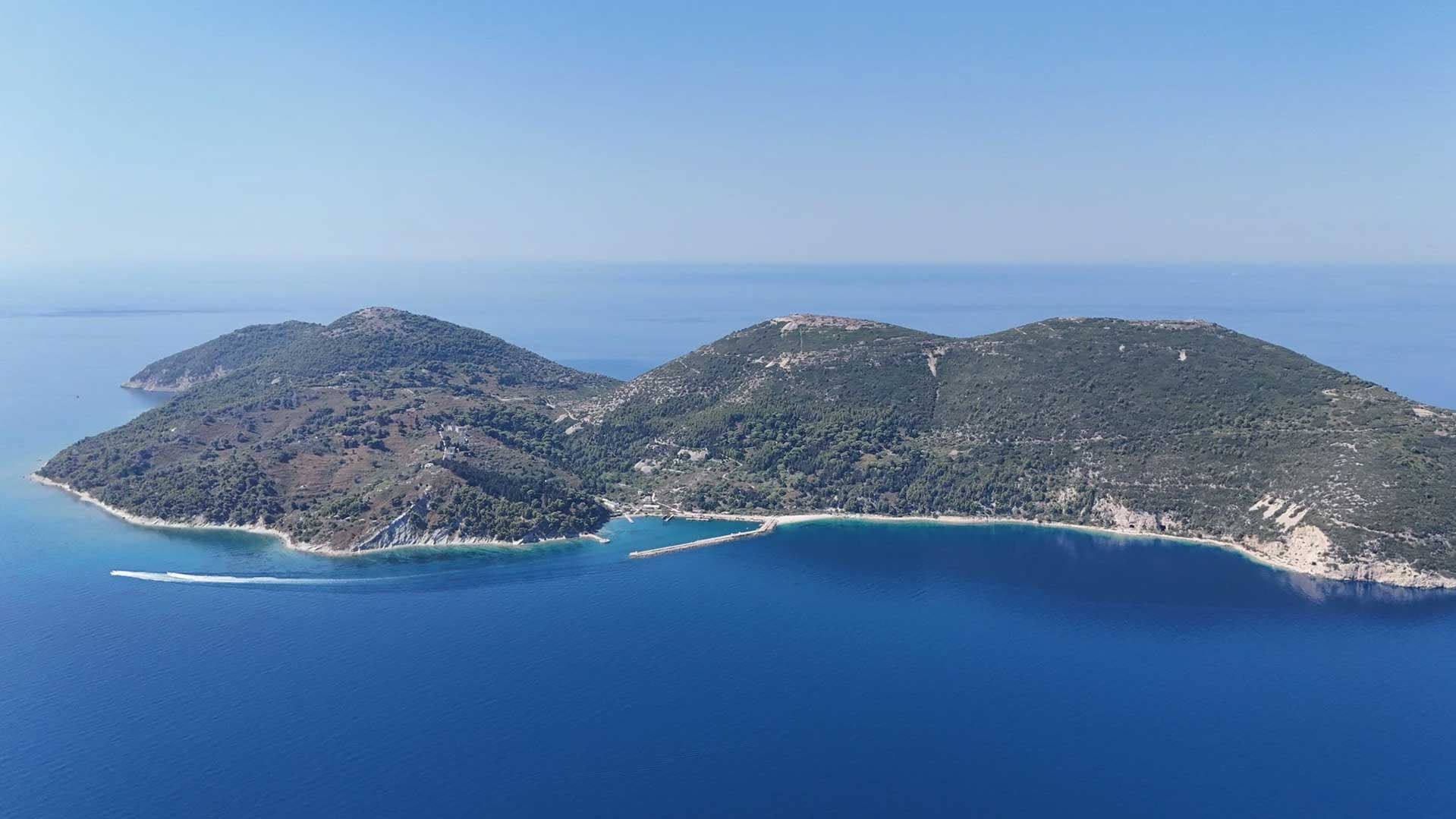
- Sazan Island: A Hidden Gem in Albania & Kushner Project
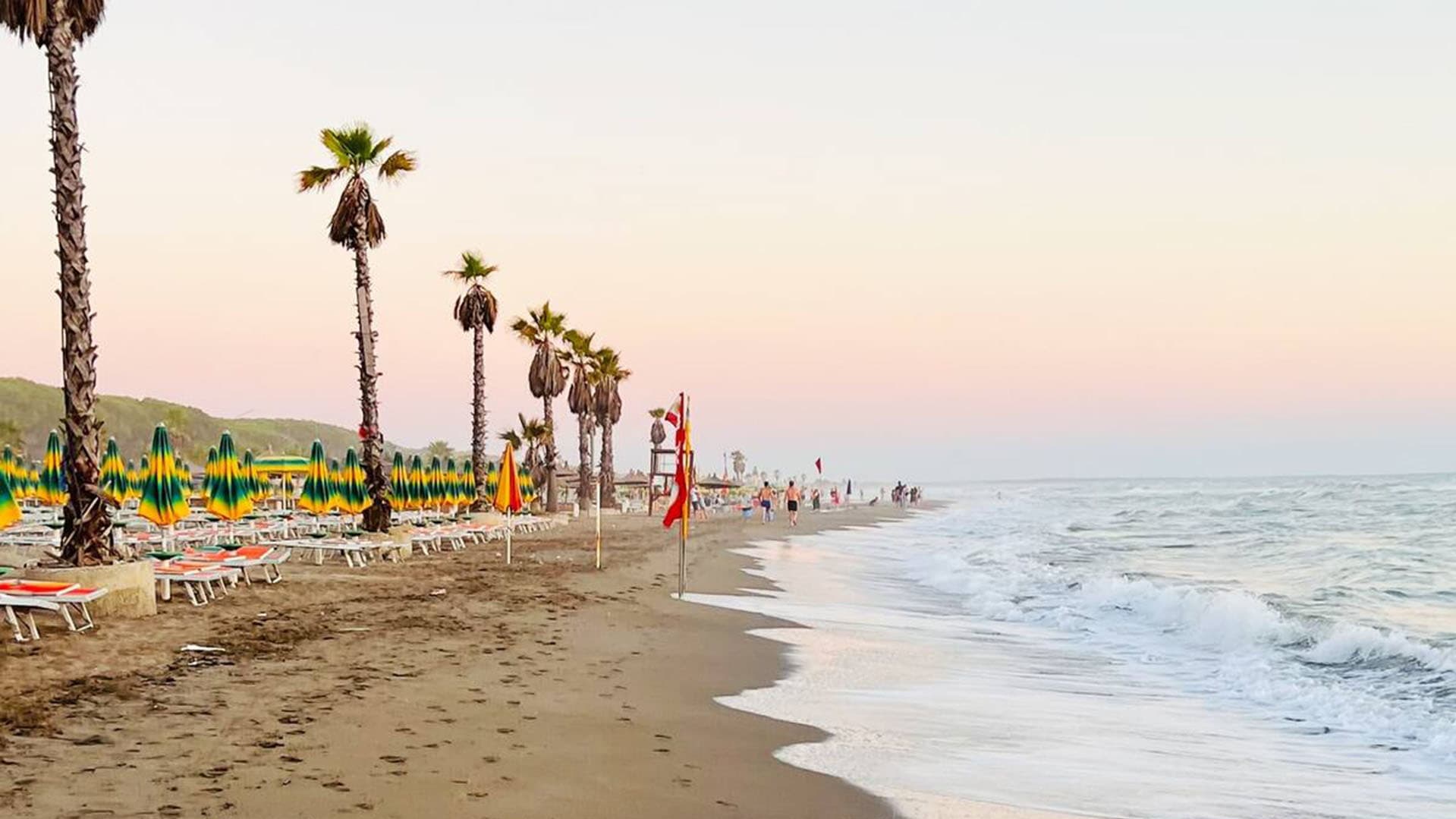
- Best Beaches in Durres: A Complete Guide to Albania’s Adriatic Coast 2026
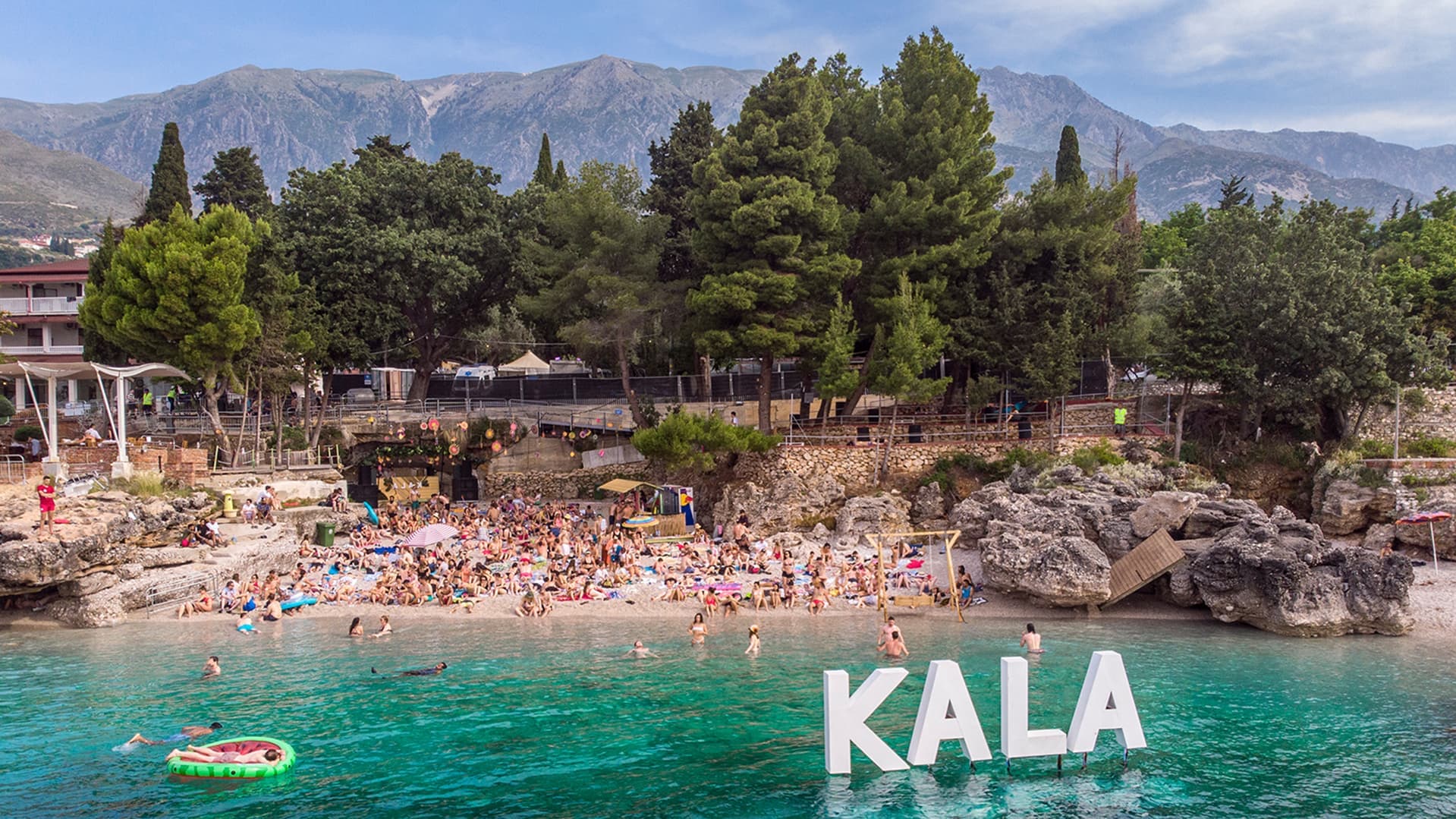
- Kala Festival 2027: Complete Travel Guide to Dhërmi, Albania
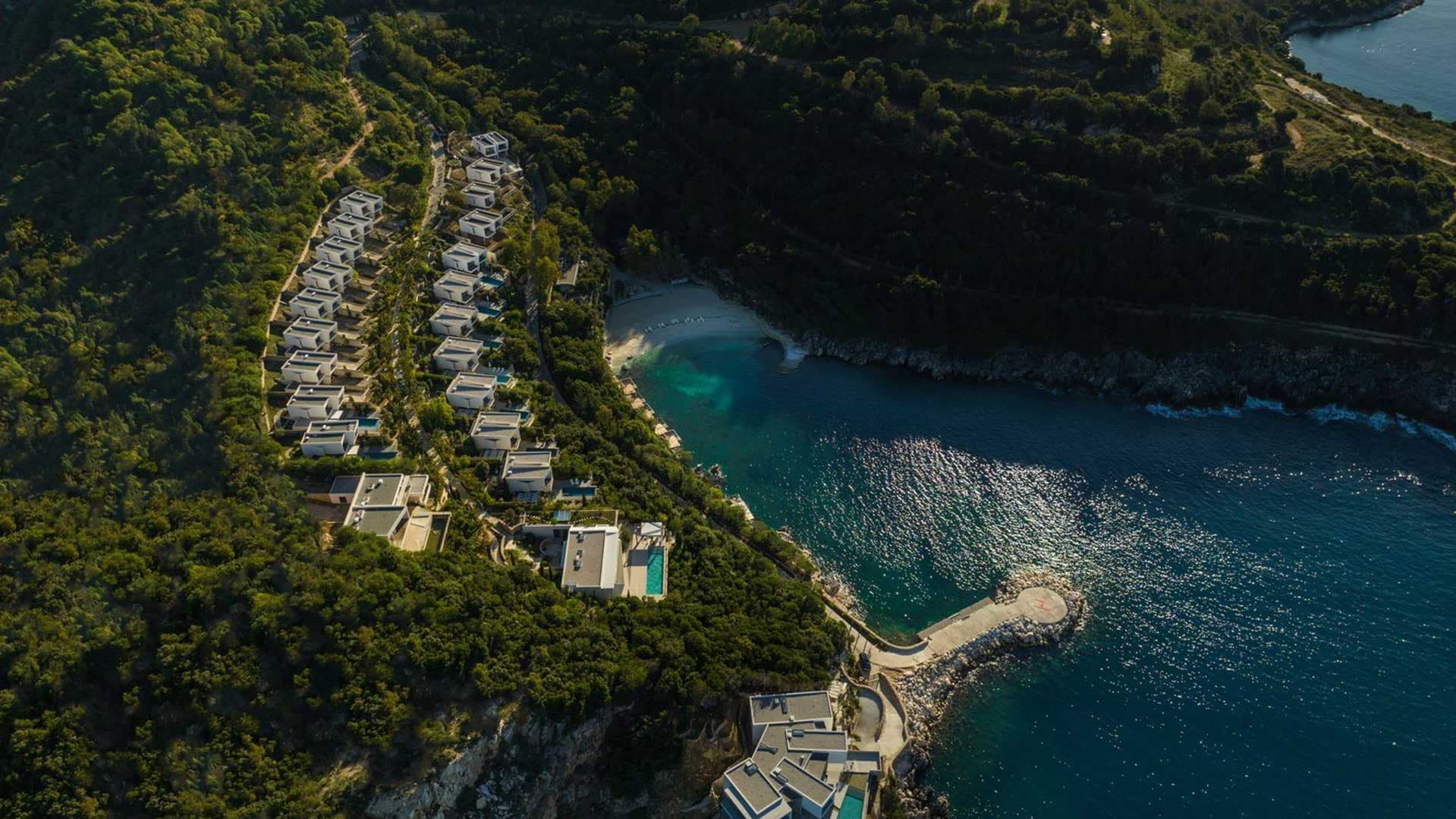
- Kep Merli: Albania’s Private Luxury Peninsula on the Ionian Coast
- 10+ Best Restaurants in Dhermi, Albania: Where to Eat on the Riviera
- The Vibrant Durres Nightlife: Where to Go Out in Albania’s Coastal City
- Cape of Rodon Travel Guide 2026: Albania’s Hidden Adriatic Escape
- Bachelorette Parties in Albania: The Ultimate Guide for an Unforgettable Trip